

A new bridge is part of the future of Corpus Christi. Another says goodbye.
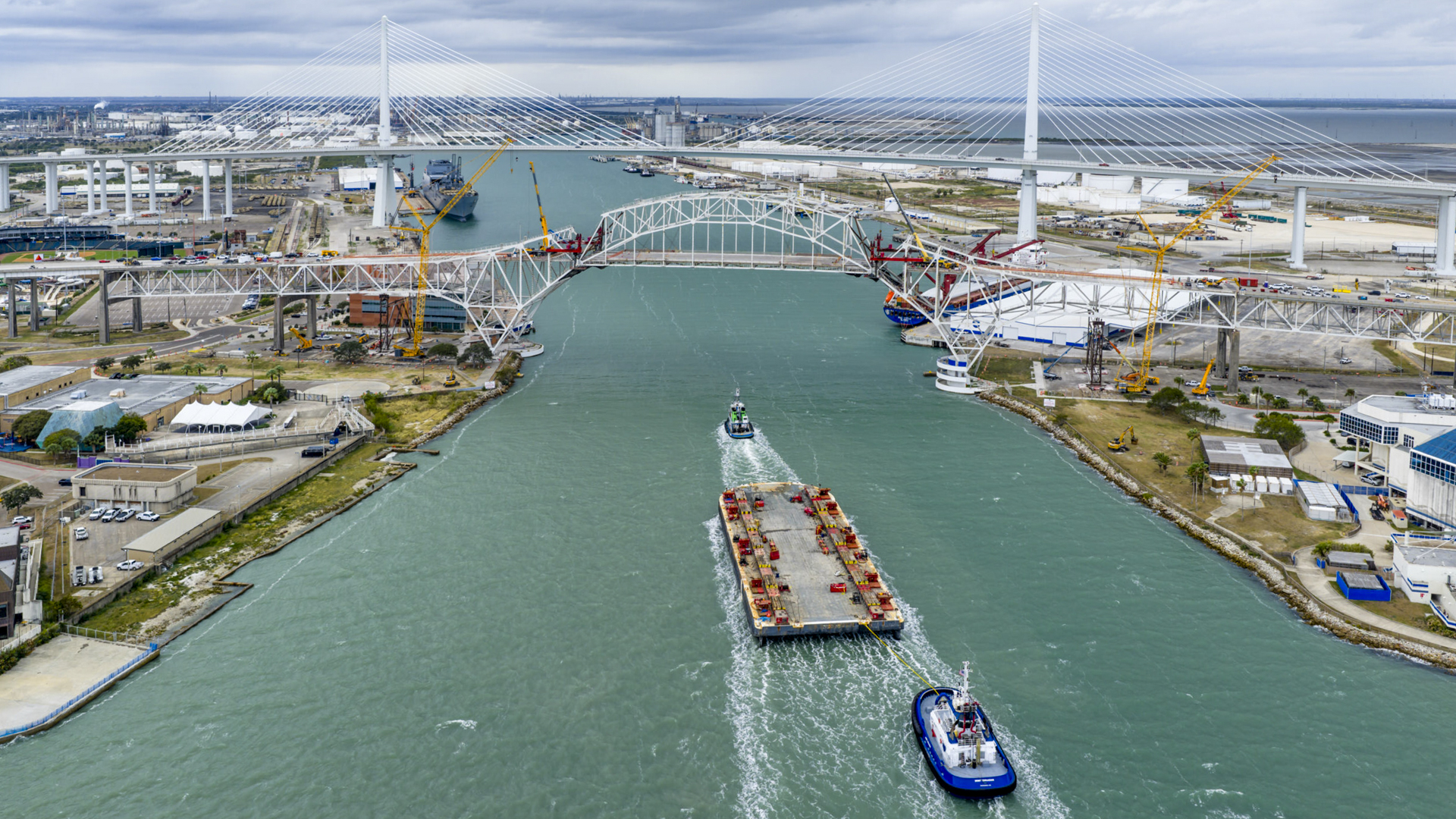
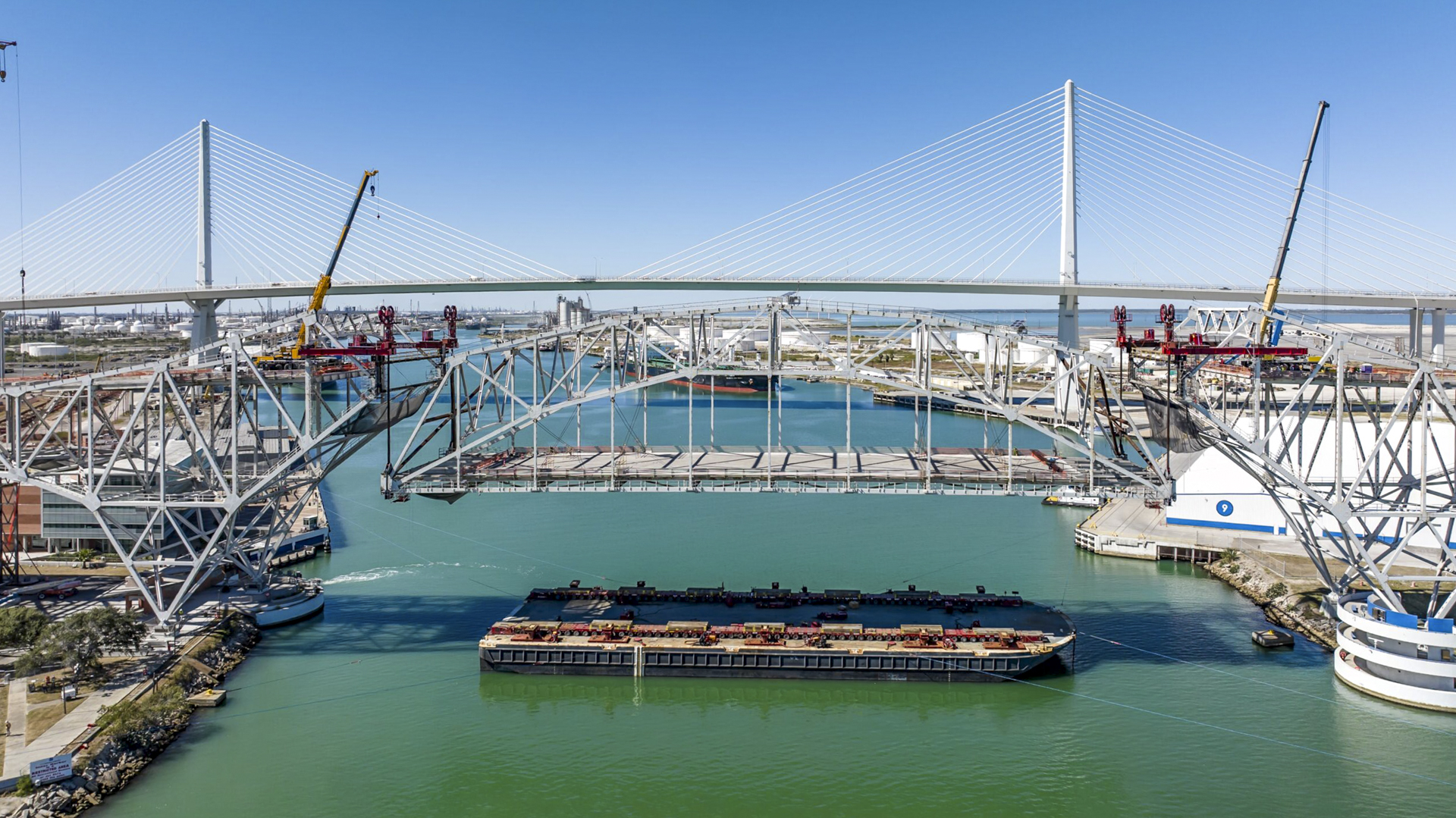
After nearly seven decades of service, the demolition of the historic 1959 Harbor Bridge in Corpus Christi, Texas, USA, has reached its final phase. This concludes the history of an infrastructure that for more than 65 years was an essential element for the mobility of the city and the development of its port.
When it opened in 1959, the Harbor Bridge represented an innovative solution to the needs of the time. However, the growth in traffic, the evolution of security standards and, especially, the new demands of the Port of Corpus Christi, one of the most important ports in the United States, made it necessary to have a new infrastructure capable of responding to the challenges of the 21st century.
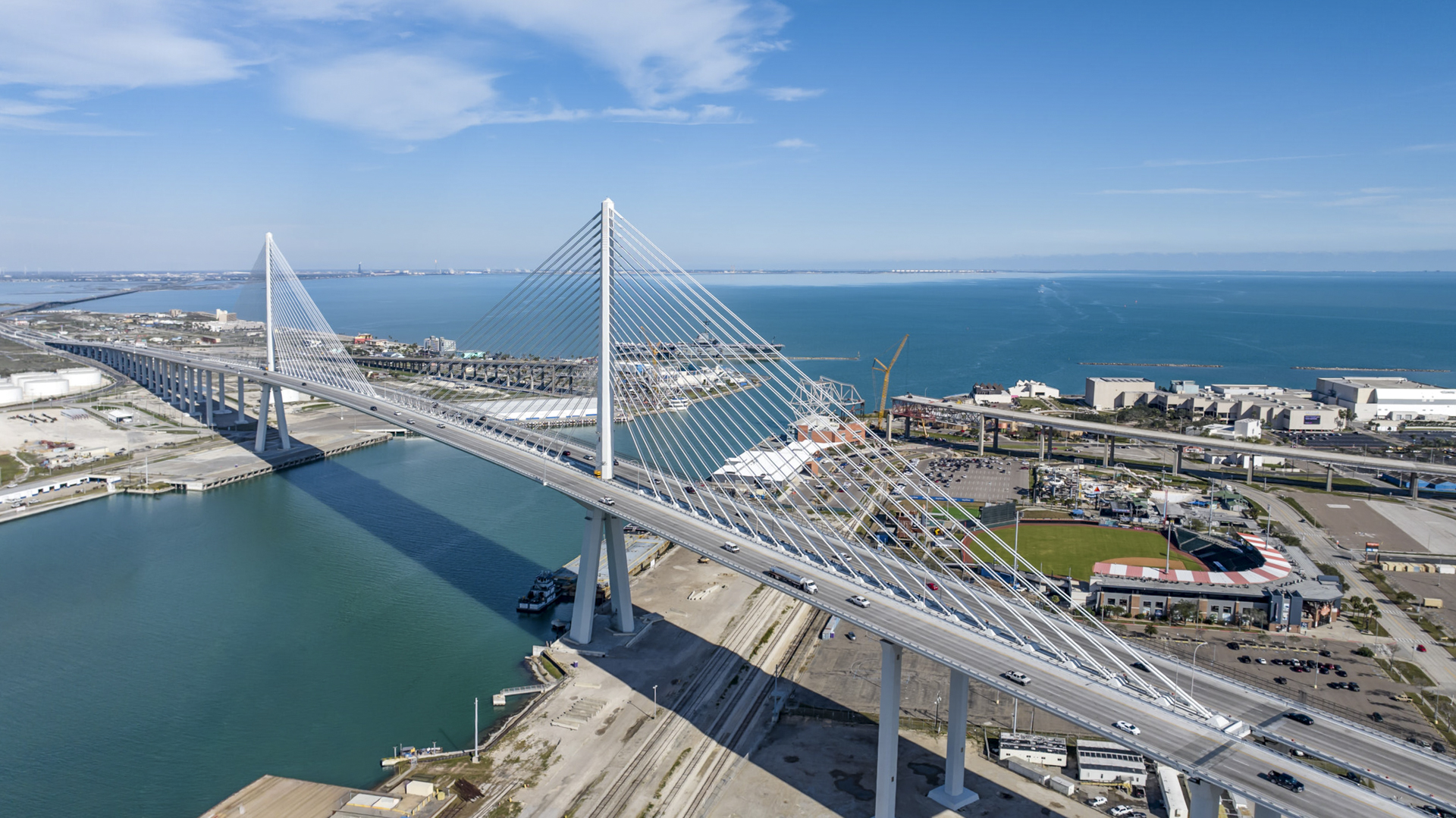
The original bridge had geometric and functional limitations typical of its time: narrower lanes, absence of adequate shoulders and insufficient clearance for the larger ships currently operating in the port. The new Harbor Bridge significantly increases the navigation clearance, improving maritime access and strengthening the competitiveness of the region.
Over the past few months, construction crews have been working hard to complete the demolition of the historic structure, recycling materials and reclaiming urban spaces for the city. With the disappearance of the old bridge, the landscape of Corpus Christi begins a new stage.
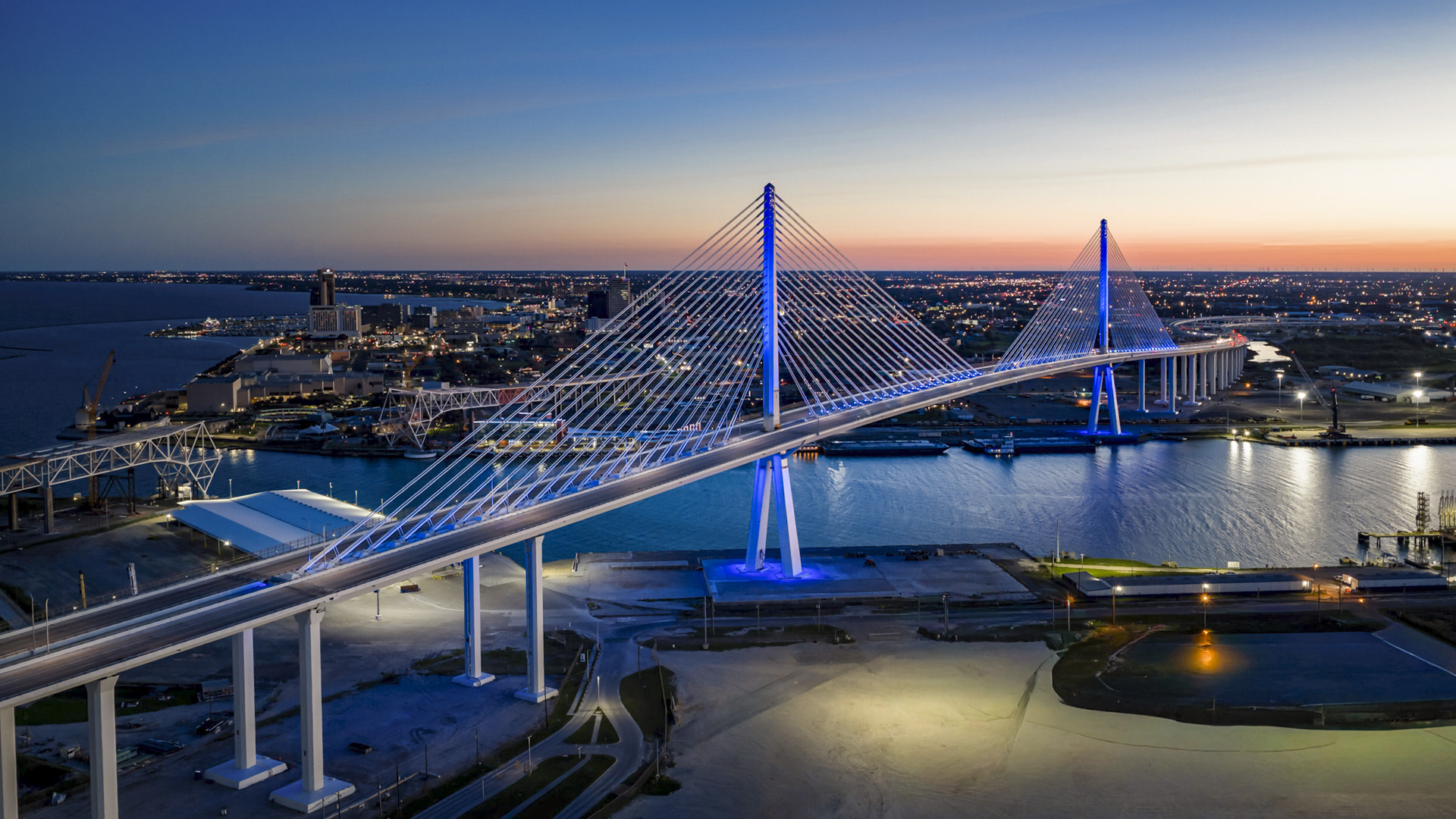
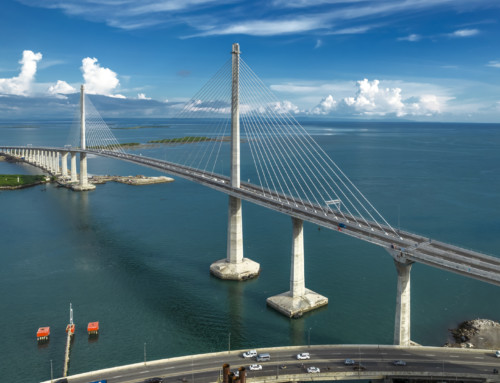
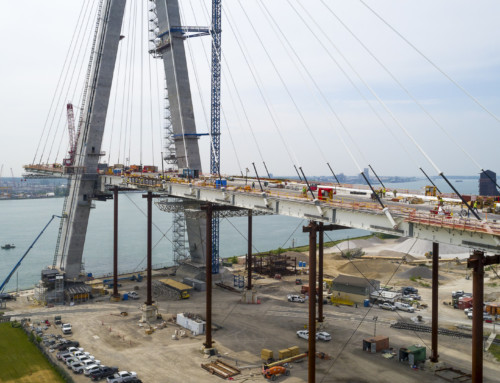
At the same time, the new Harbor Bridge is consolidated as one of the most emblematic infrastructure projects recently developed in the United States. This new structure not only improves connectivity and road safety, but has also become a new icon for the city and its port.
In the project of the new bridge, Carlos Fernández Casado (CFC) has contributed his experience in bridge engineering, participating in the development of an infrastructure destined to become an international reference in modern engineering.
The demolition of the old Harbor Bridge does not only represent the end of a structure. It symbolizes the evolution of engineering: the transition from a work that faithfully served several generations to a new infrastructure prepared to meet the challenges of the coming decades.