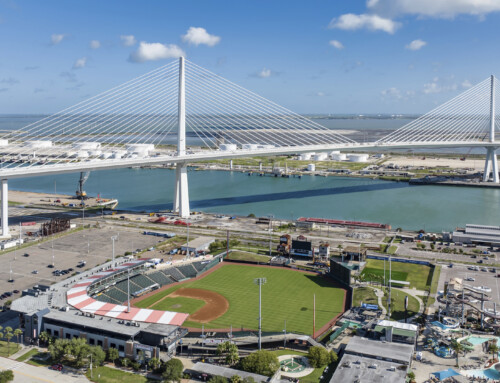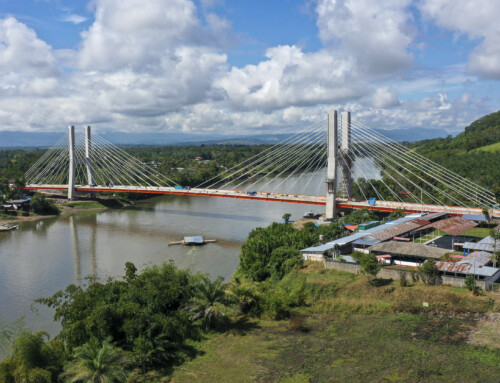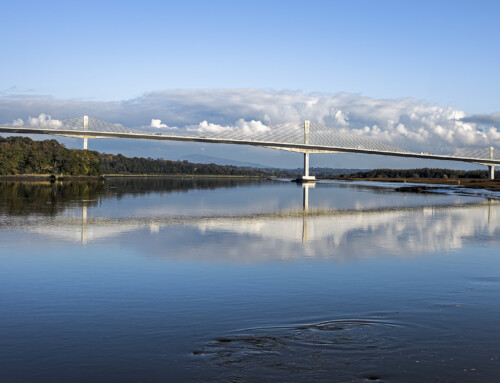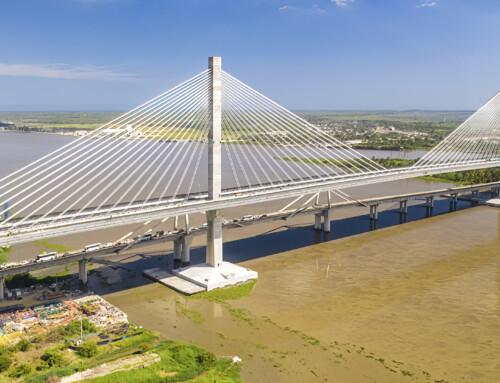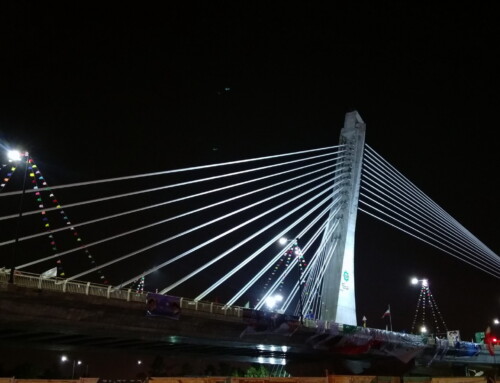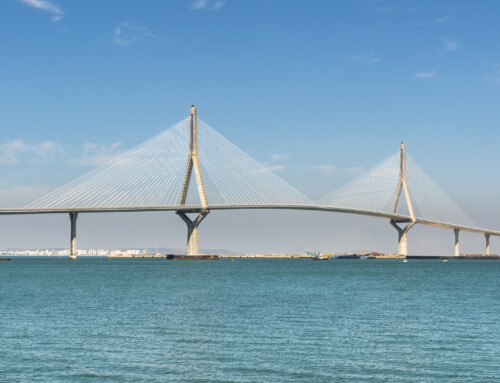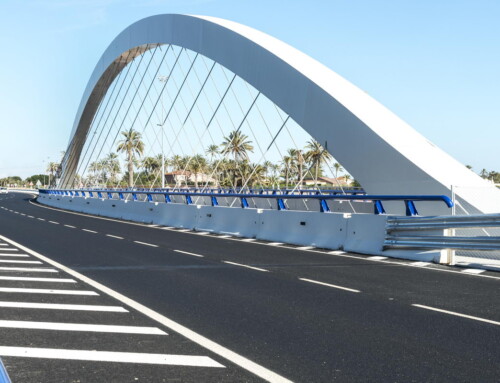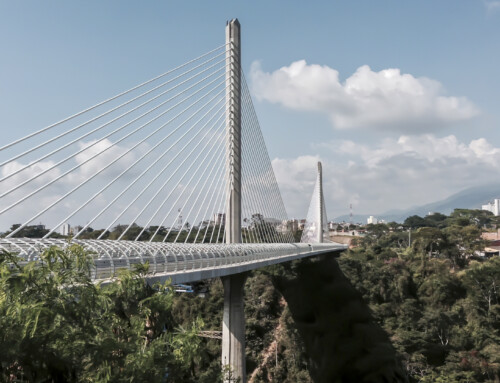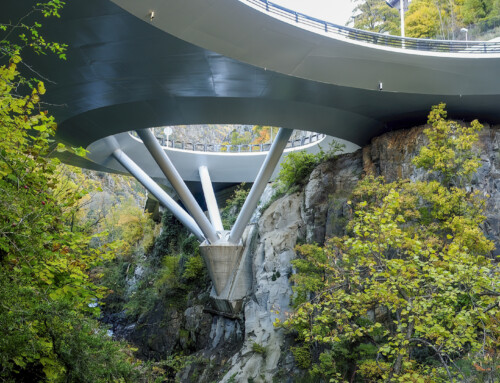



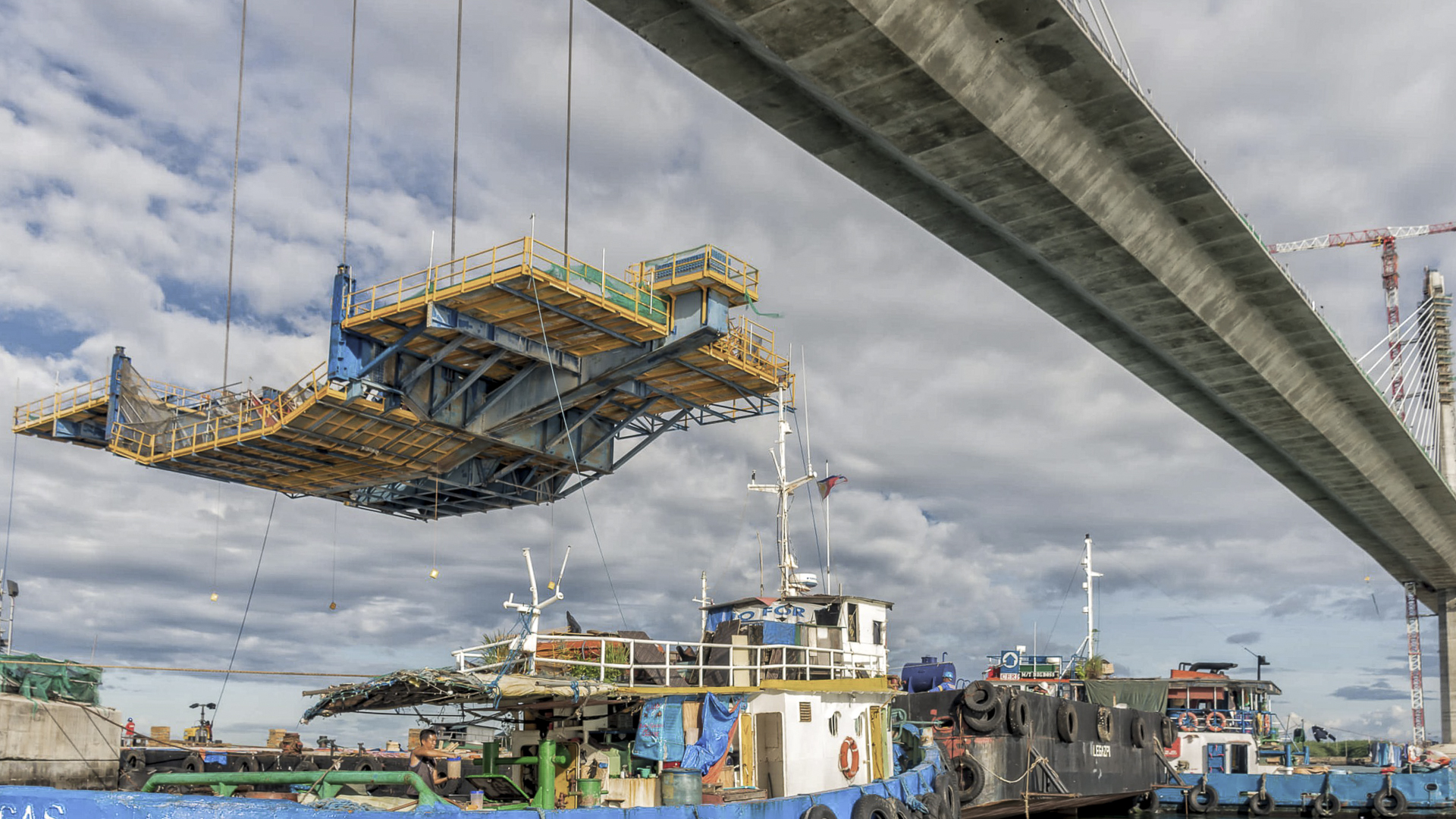
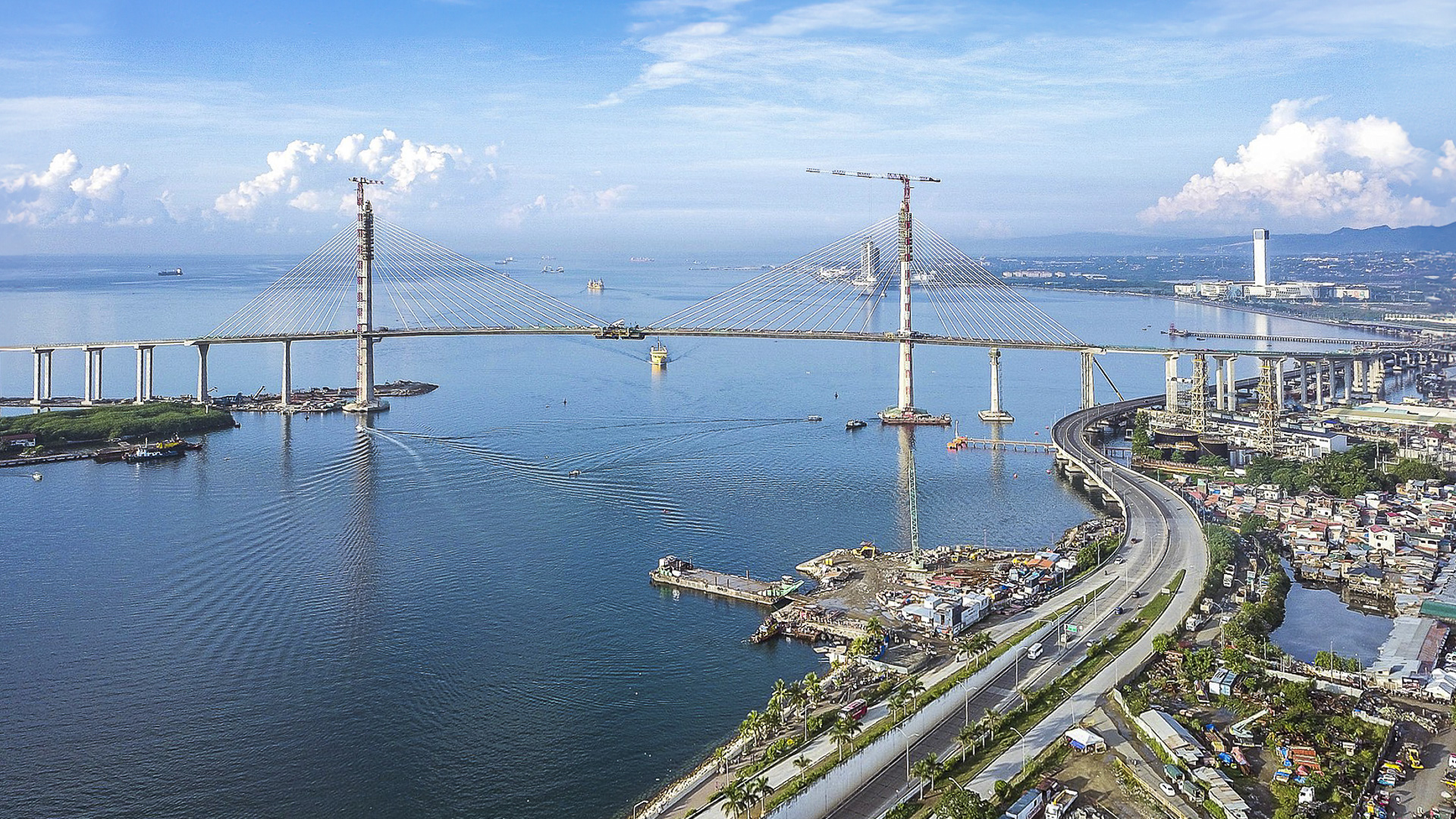
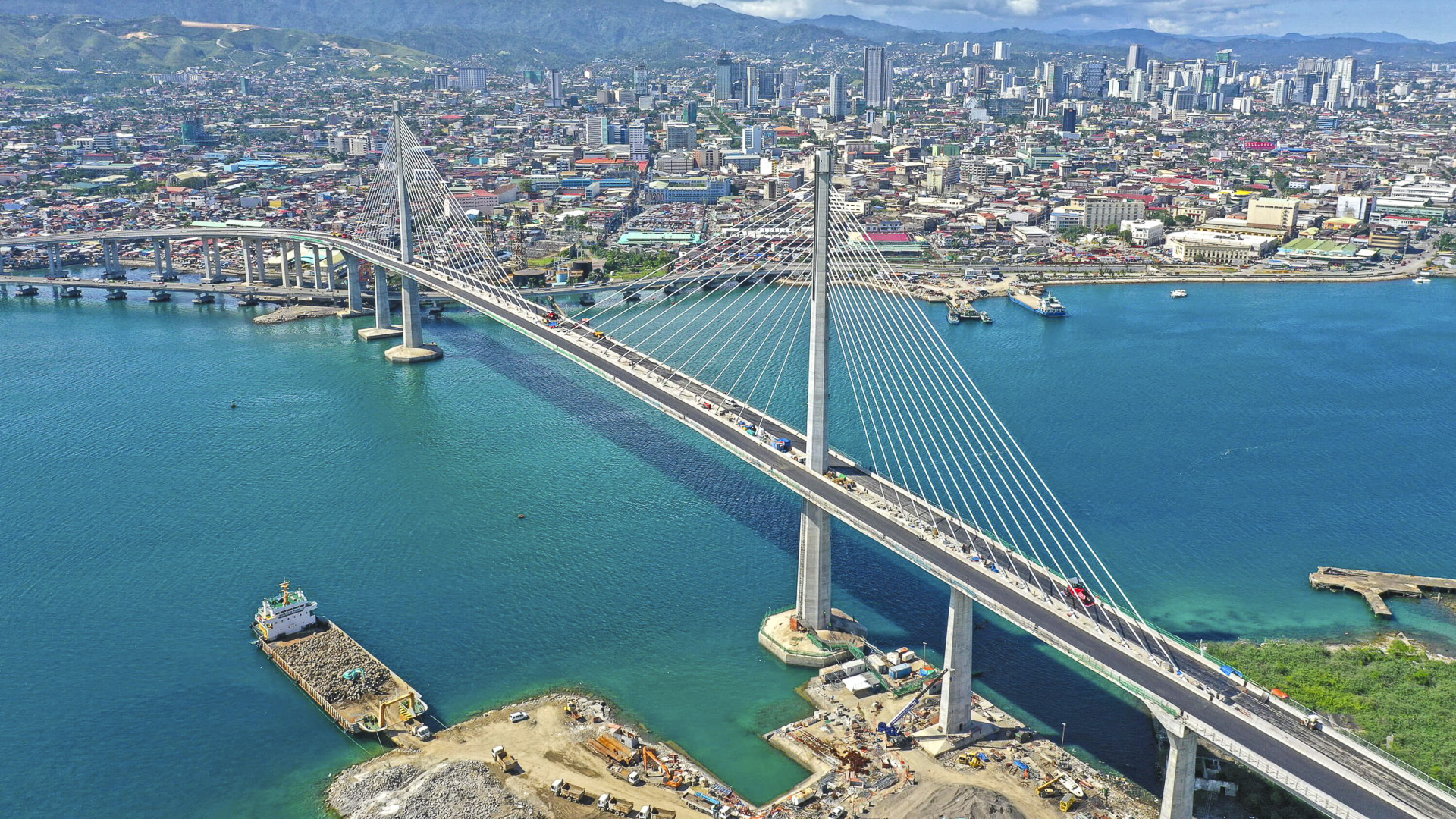
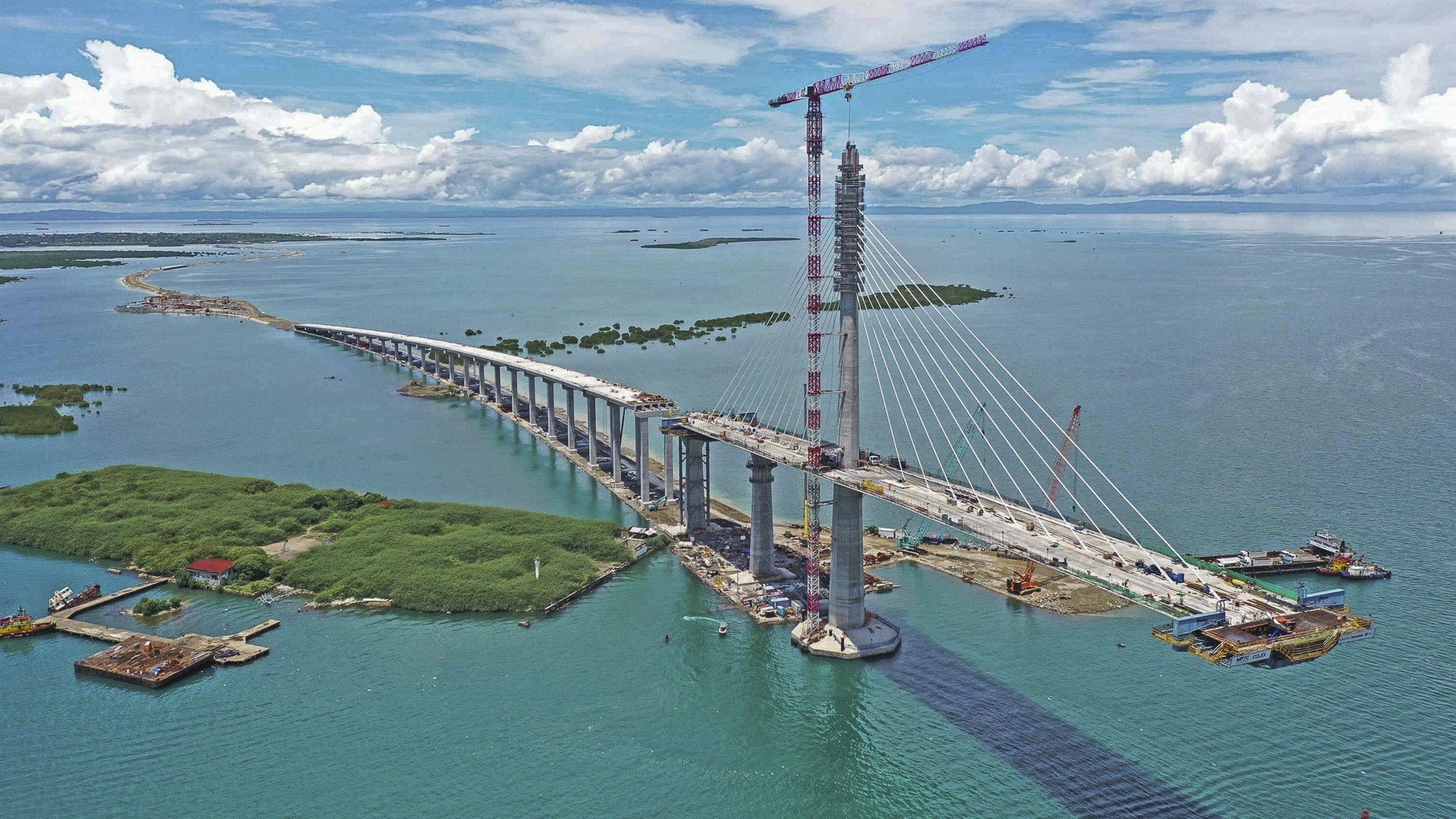
Cebu-Cordova Bridge. Philippines. 2022.
CFC Scope
Project and technical assistance to the construction management
Project Manager
Javier Muñoz-Rojas Fernández
Project Manager
José Manuel Domínguez Cabello
Clients
Metro Pacific Tollways
Construction
CEBU Link JV (ACCIONA, First Balfour, DM Consunji Inc.
Typology
Cable-stayed Bridge
Material
Concrete
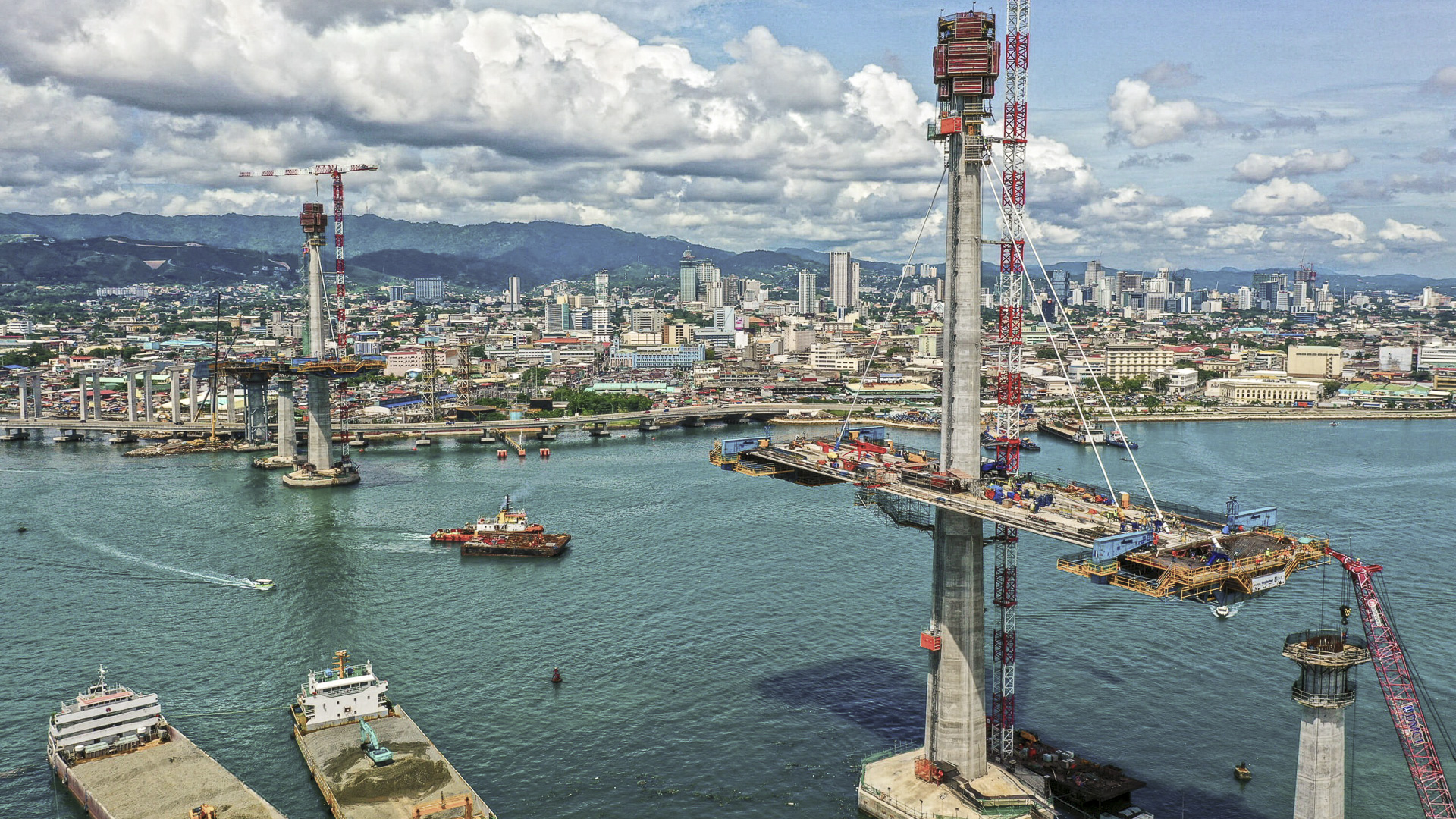
The CEBU Link JV consortium, formed by ACCIONA and the Philippine companies First Balfour and D.M. Consunji Inc, were the winners of the international tender for the construction of a link between the islands of Cebu and Mactan in the Philippines. The end customer is the Cebu Cordova Link Expressway Corporation concessionaire, owned by the Metro Pacific Tollways Group.
The project, carried out under the Early Contractual Involvement (ECI) modality, has a budget of approximately US$400 million and aims to alleviate the heavy traffic between Cordova – capital of the island of Cebu and the second largest city in the Philippines – and Mactan, where the city’s airport is located. Work began in 2018 and was completed by the end of 2022.
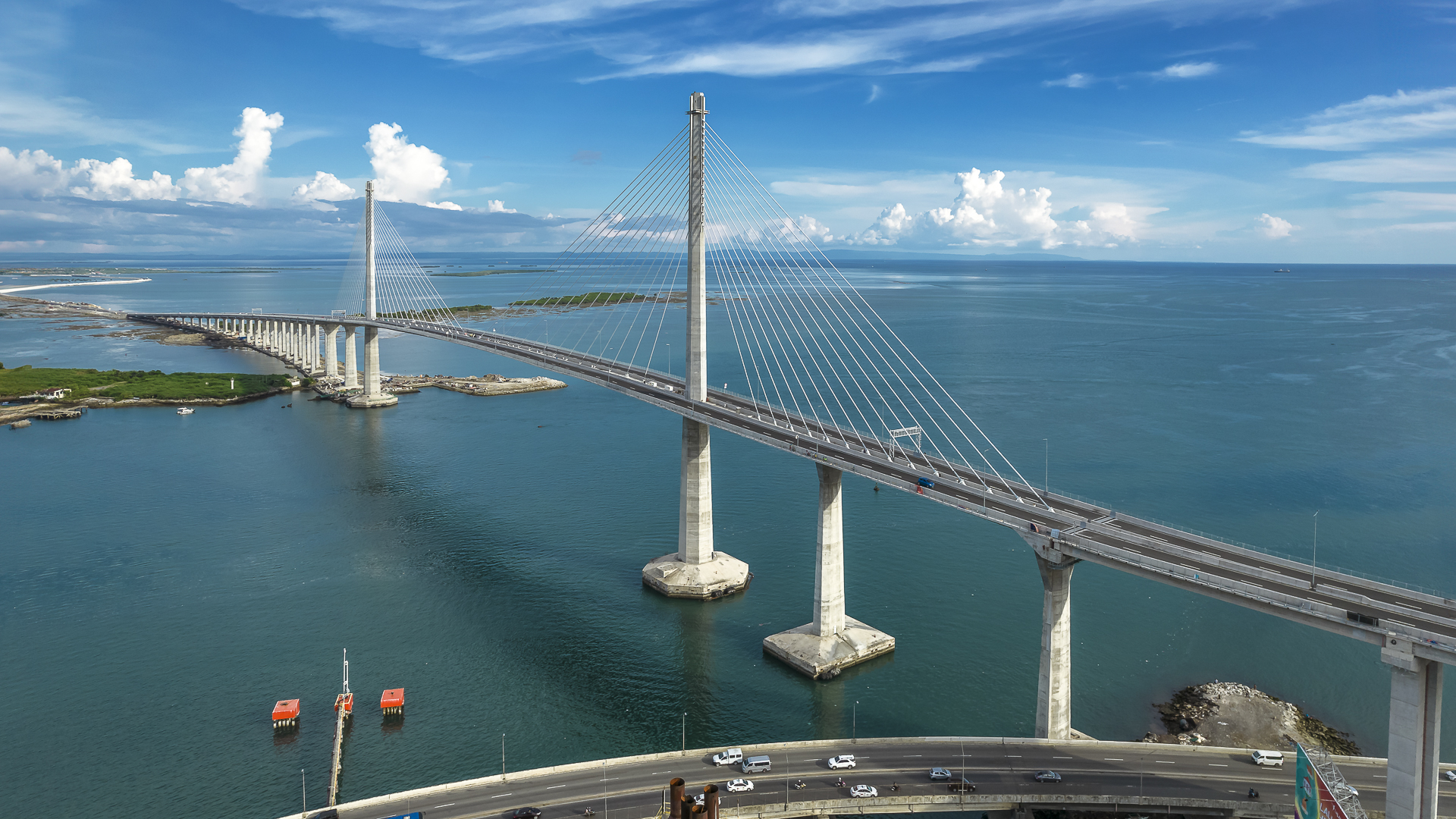
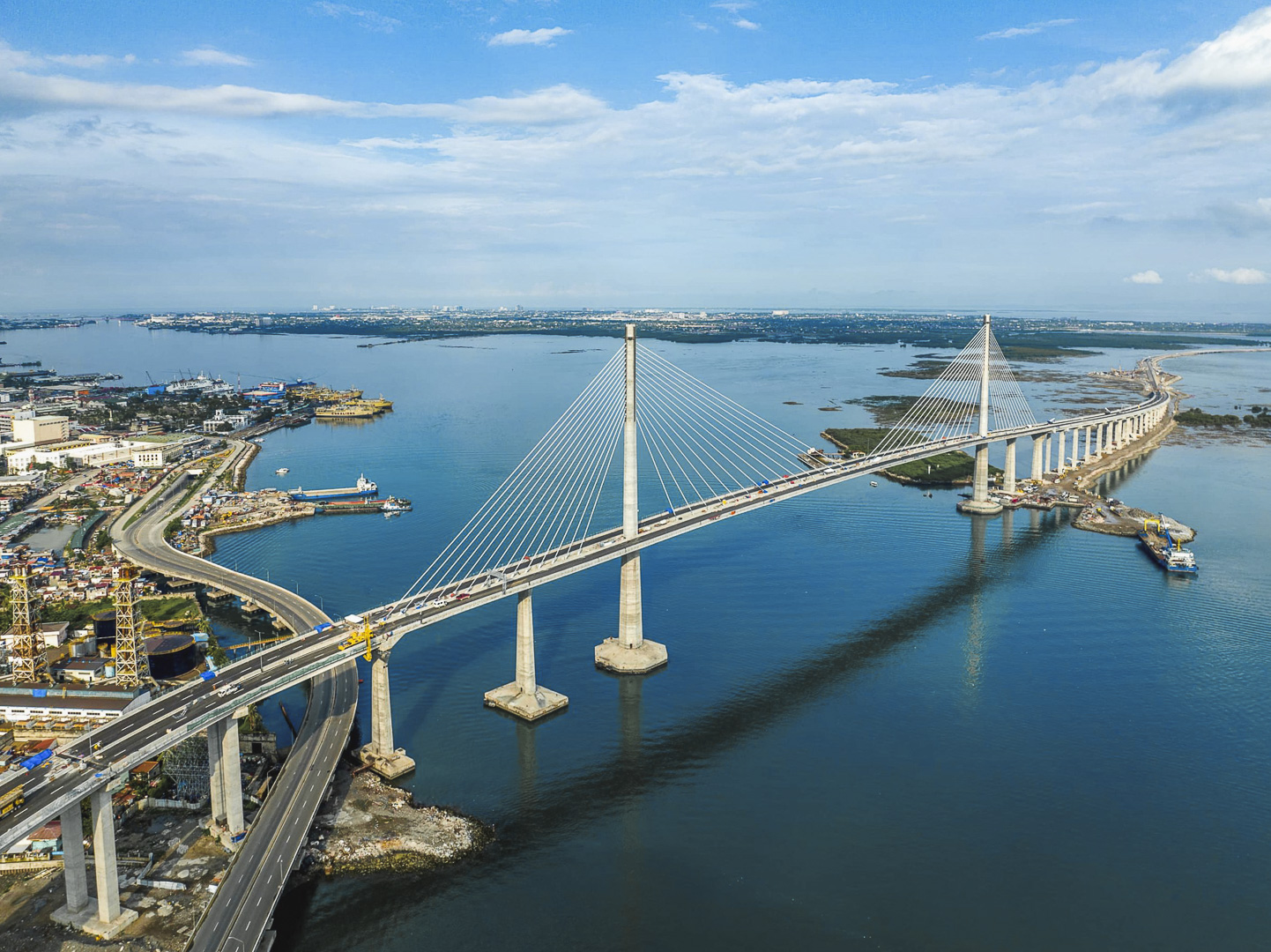
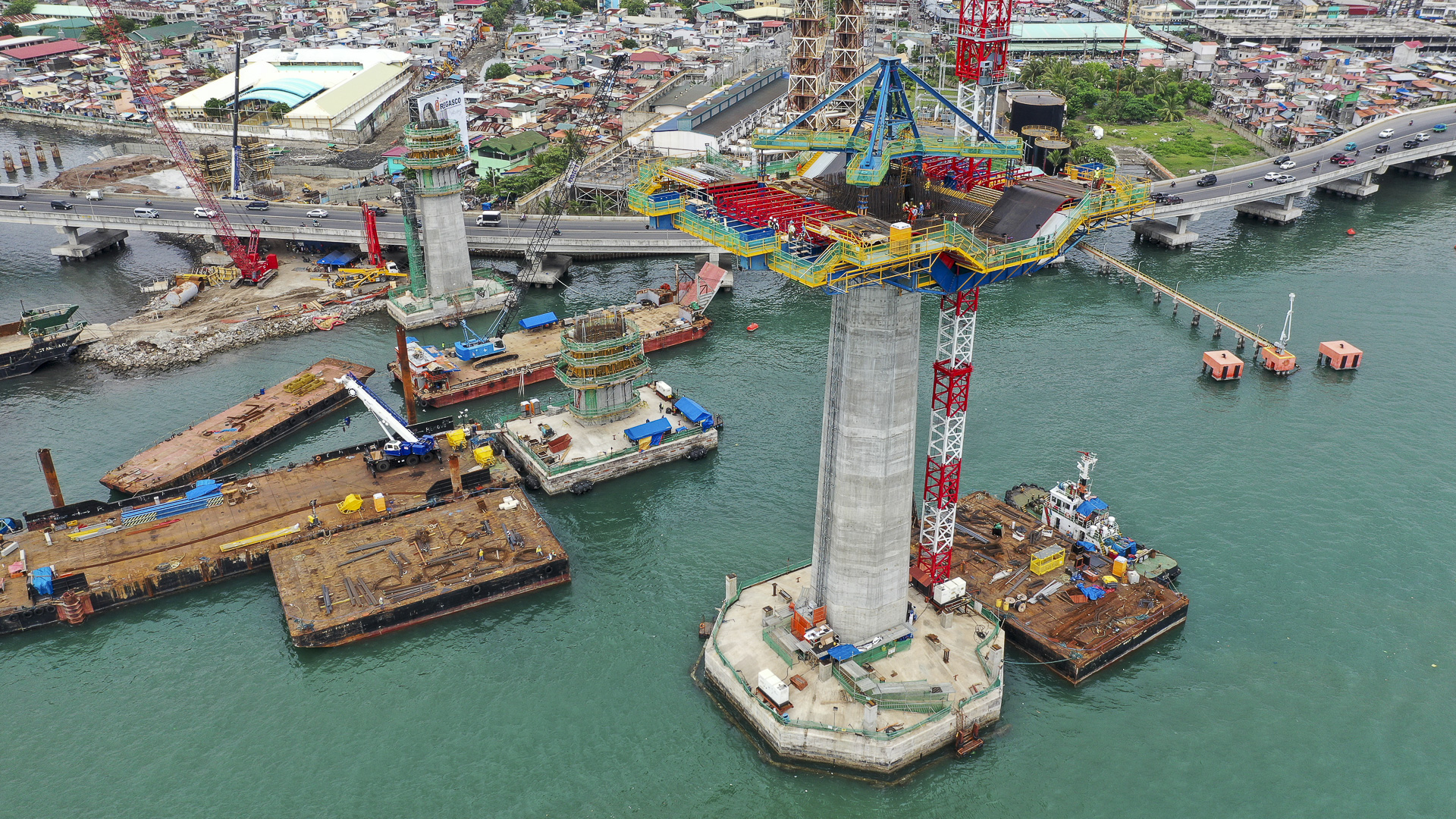
To make the connection, the project foresaw the construction of a new section of road, most of which would be built over water, part of which would be located on embankments and part on various structures. Of these structures, the main one and the reference work of the project consists of a unique bridge over the navigation channel of the port of Cordova, resolved by means of a cable-stayed solution with a 390 m central span.
The engineering of the project has been entrusted to the SENER-CFC joint venture, companies that also carried out the studies during the bid preparation phase. Within the design team, CFC has been in charge of the study and development of the main bridge.
Characteristics of the bridge:
The winning solution, proposed by the CEBU Link JV consortium during the bid phase to be developed and constructed from now on, was based on the reference design developed for Metro Pacific by the Danish engineering firm COWI, which provided for a 390 m main span, a central tower solution with axial bracing of a box section deck, a standard geometry for the towers and piers.
During the bidding phase, and respecting these conditions, CFC engineers and ACCIONA’s technical services developed a solution to optimize the overall behavior of the structure and its construction. The selected solution introduced some significant changes in the work:
- longitudinal configuration: reduction of the total length of the main bridge by shortening the compensation spans, length of the segments, number of stay cables, introduction of intermediate piers in the retaining span, counterweight inside the caisson to reduce the vertical prestressing anchoring the retaining piers…
- deck cross-section: reduction of the edge from 4.00 m to 3.50 m, elimination of the transverse ribs to leave solid slab overhangs, greater inclination of the webs, connection of the tie rods to the box by means of internal struts…
- foundations: change from caisson foundations to bored piles
- solution for the anchoring of the tie rods in the tower: by means of metal caissons not connected to all the walls of the tower in the original design
The final solution for the main bridge consists of a 651.50 m long symmetrical cable-stayed structure with a span distribution of 5.75-60-65-65-390-65-65-60-60-5.75. The 5.75 m spans correspond to extensions from the end piers to accommodate half-joints to support the transition spans between the main bridge and the precast girder beams of the approach viaducts.
The deck is configured with a prestressed concrete box section with a constant depth of 3.50 m and a width of 26.90 m along most of the length. At one end it widens progressively up to 30.0 m to accommodate some branches of the accesses that connect with the trunk. On the other side it narrows to 22.40 m to connect with the approaches to Mactan.
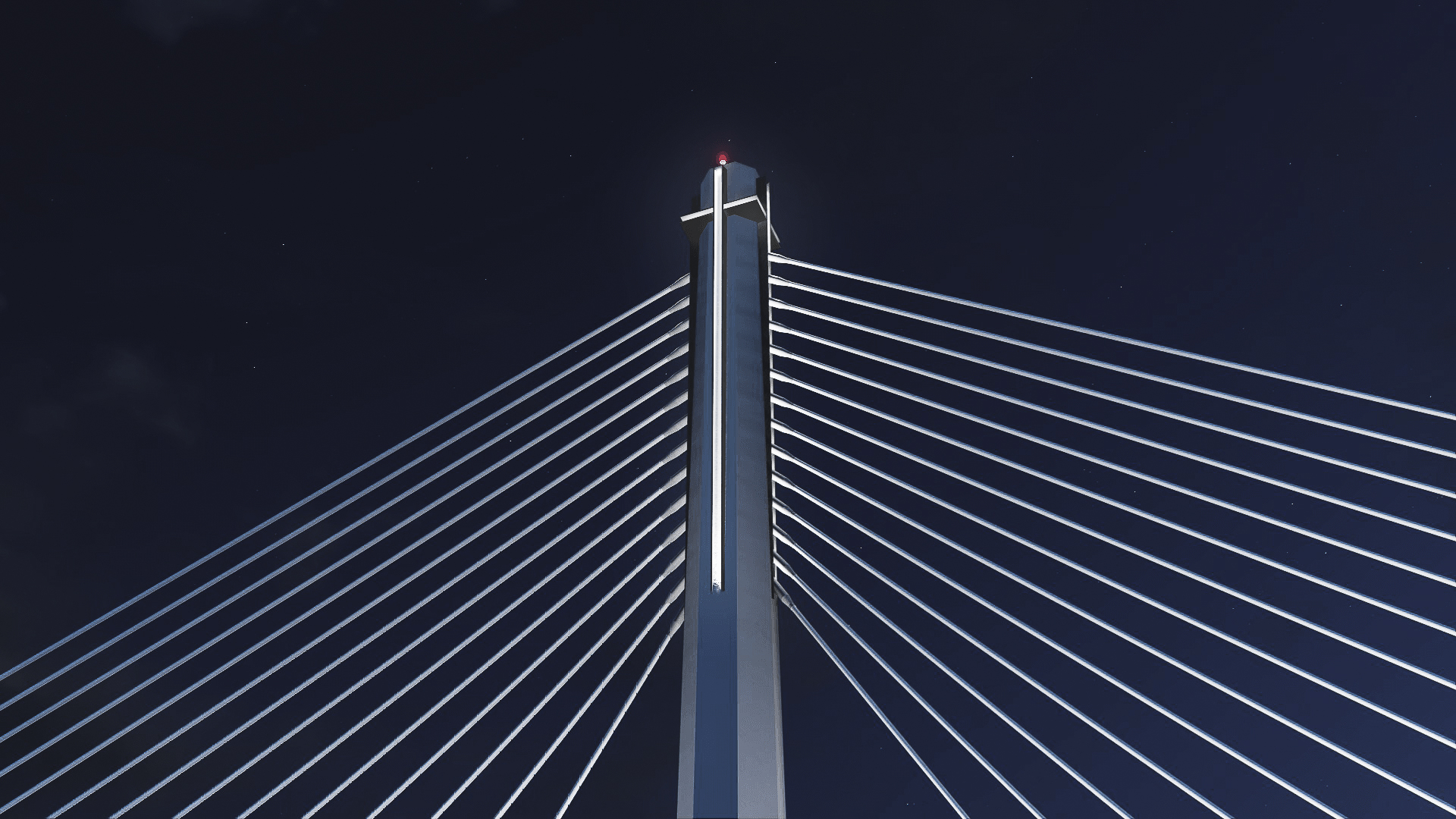
Tensioning is provided by 17 pairs of stay cables from the caisson axis to vertical towers 140 m in total height, 91 m above the deck. The section of the tower is octagonal with variable dimensions in both elevations. On the upper part, metal plates are added externally to draw the geometry of a 40 m cross on each side of the tower, an ornamental element foreseen in the basic solution to pay homage to the importance of Cebu as the first place of presence of the Catholic Church in the islands.
The foundations are of the deep type with drilled piles of diameter 2.00 or 2.50 m deepened in the substrates present in the area, in which under the recent clayey and sandy deposits there are substrates of degraded coral rock and deposits of volcanic origin.
From the design point of view, the project was a great challenge because, in addition to the strong design constraints -among them the fact that the site is located in an area of high seismicity and typhoons- the construction schedule was extremely tight.
Related news