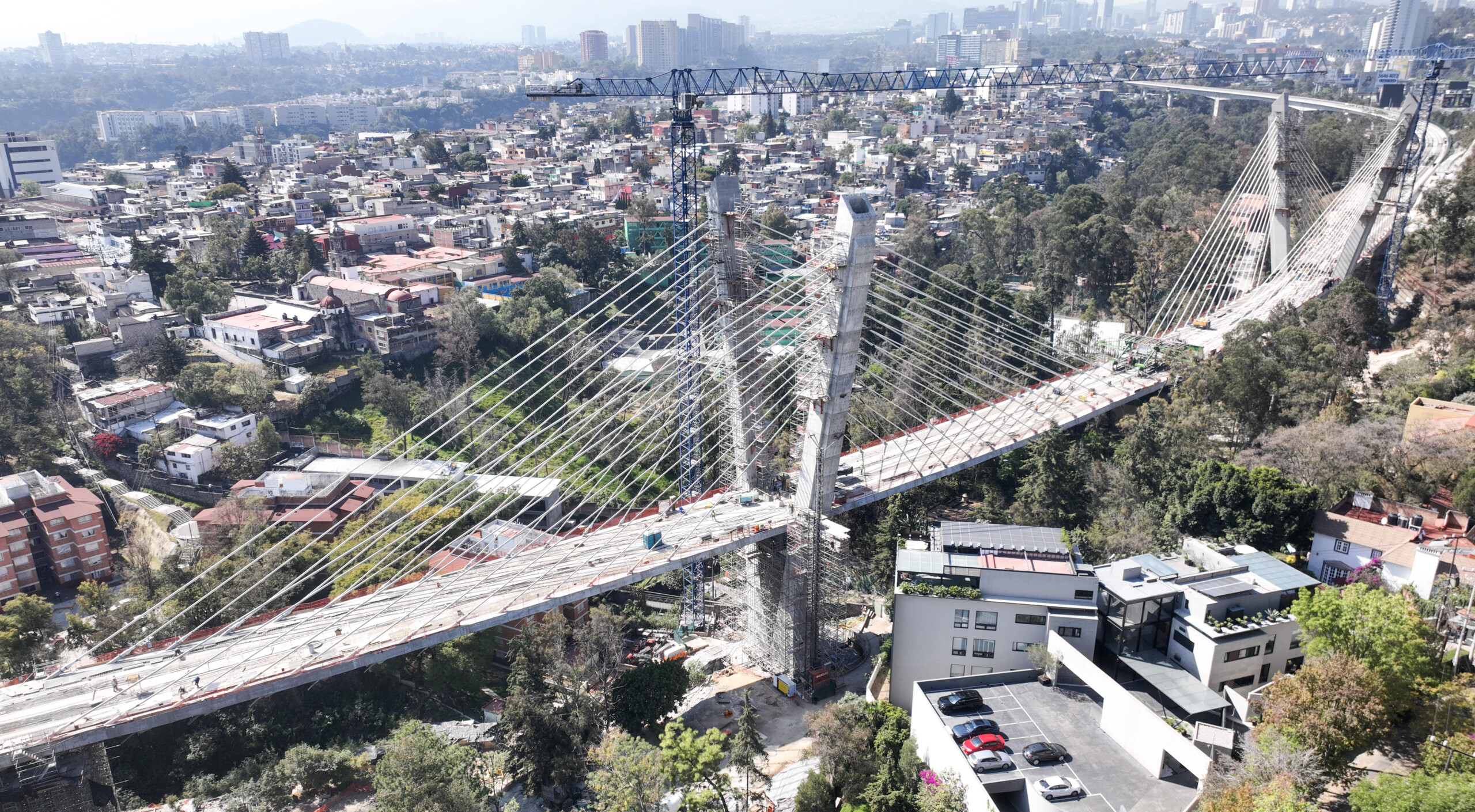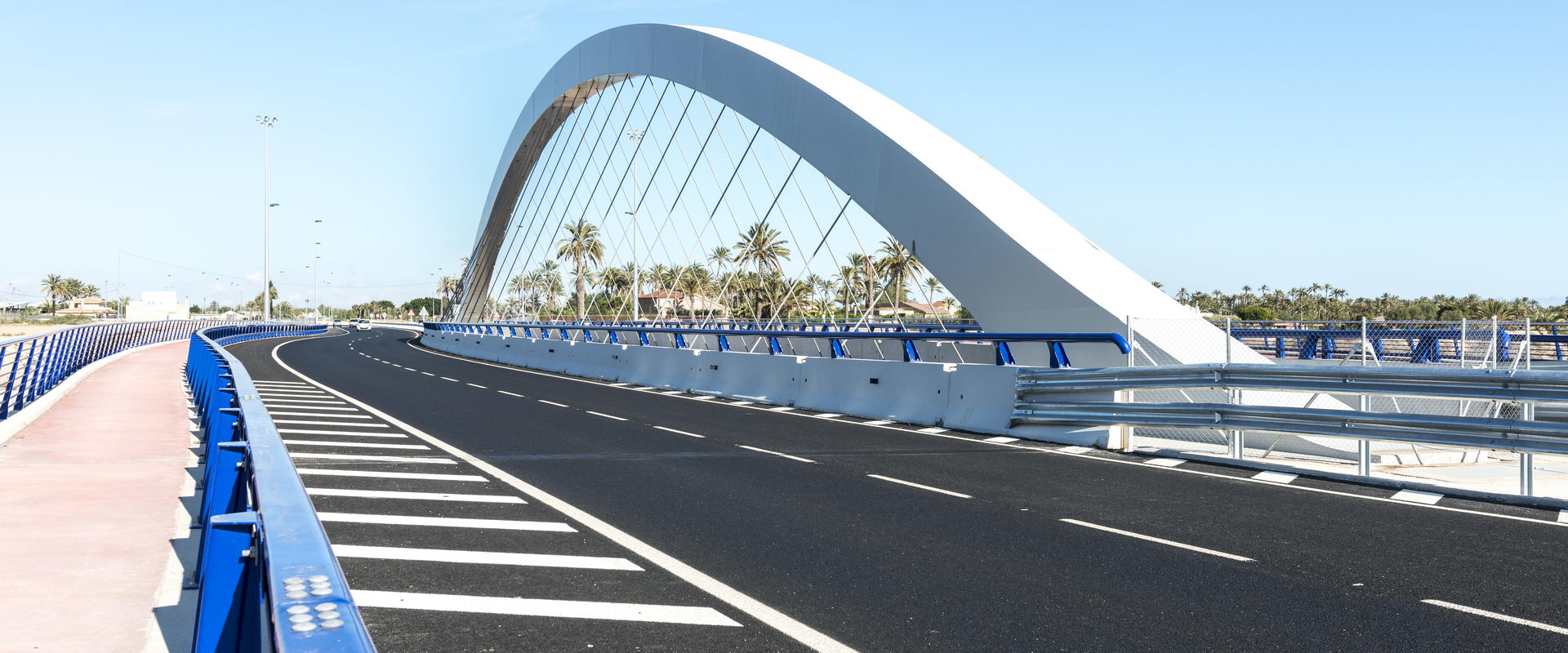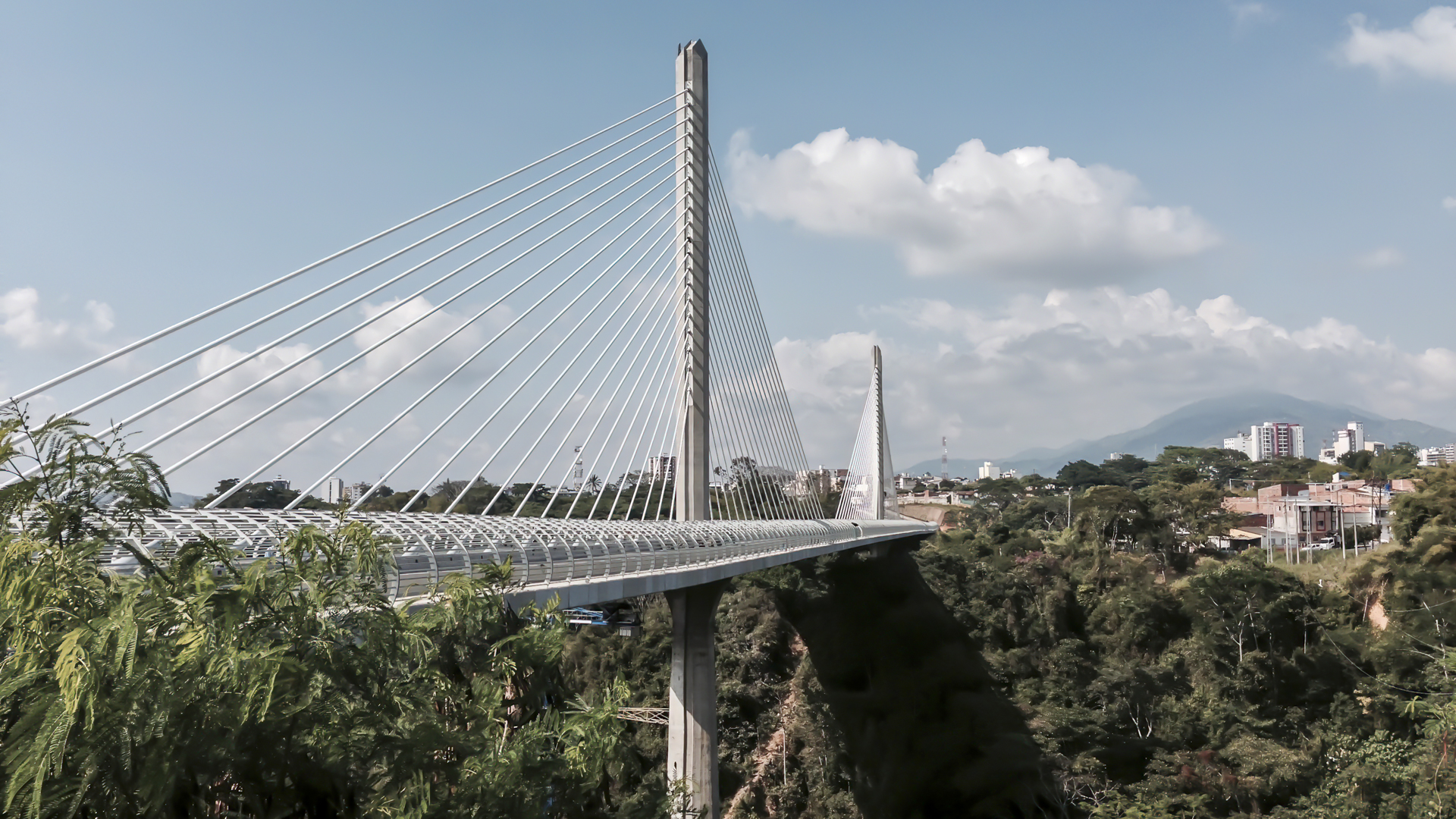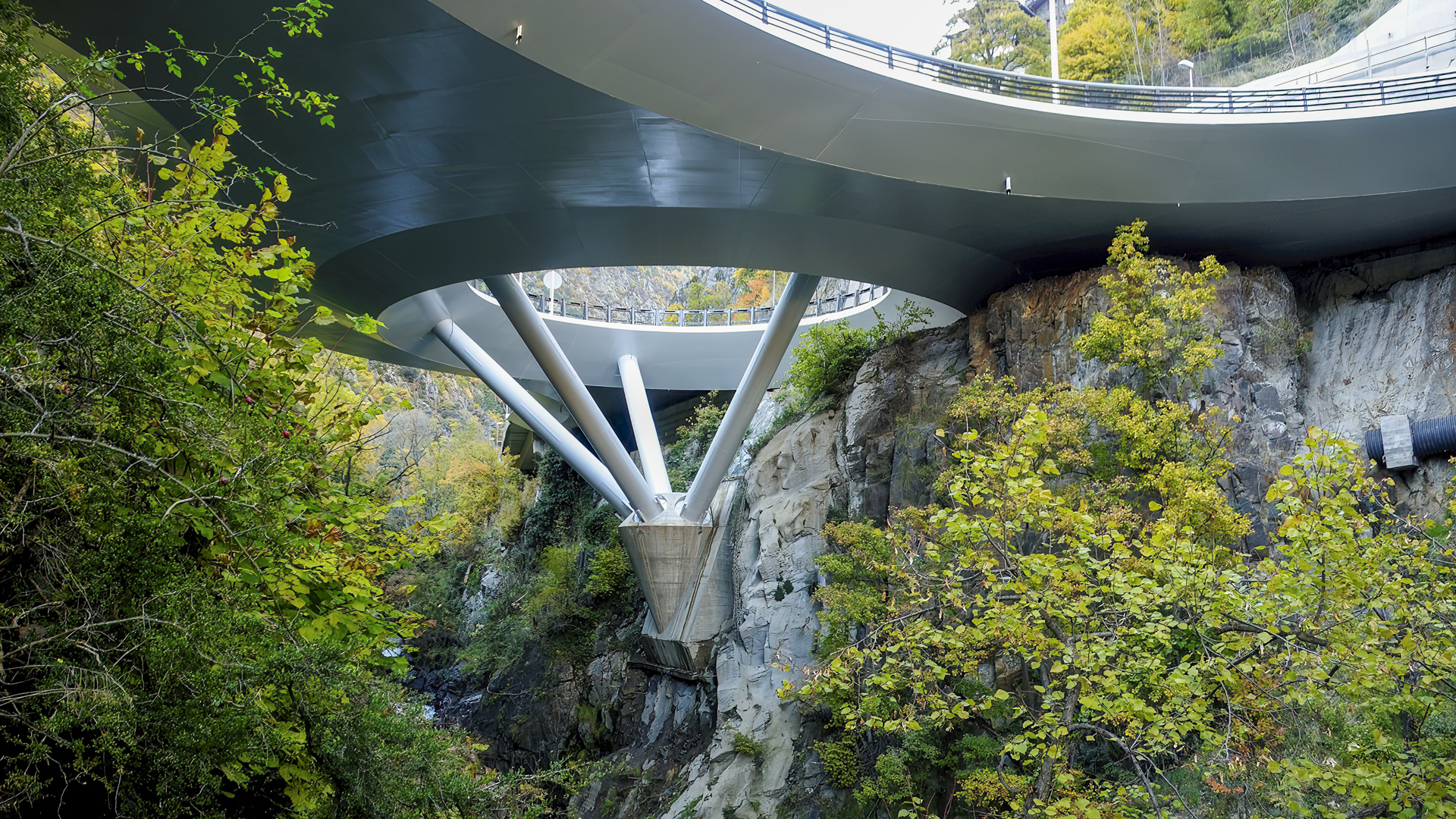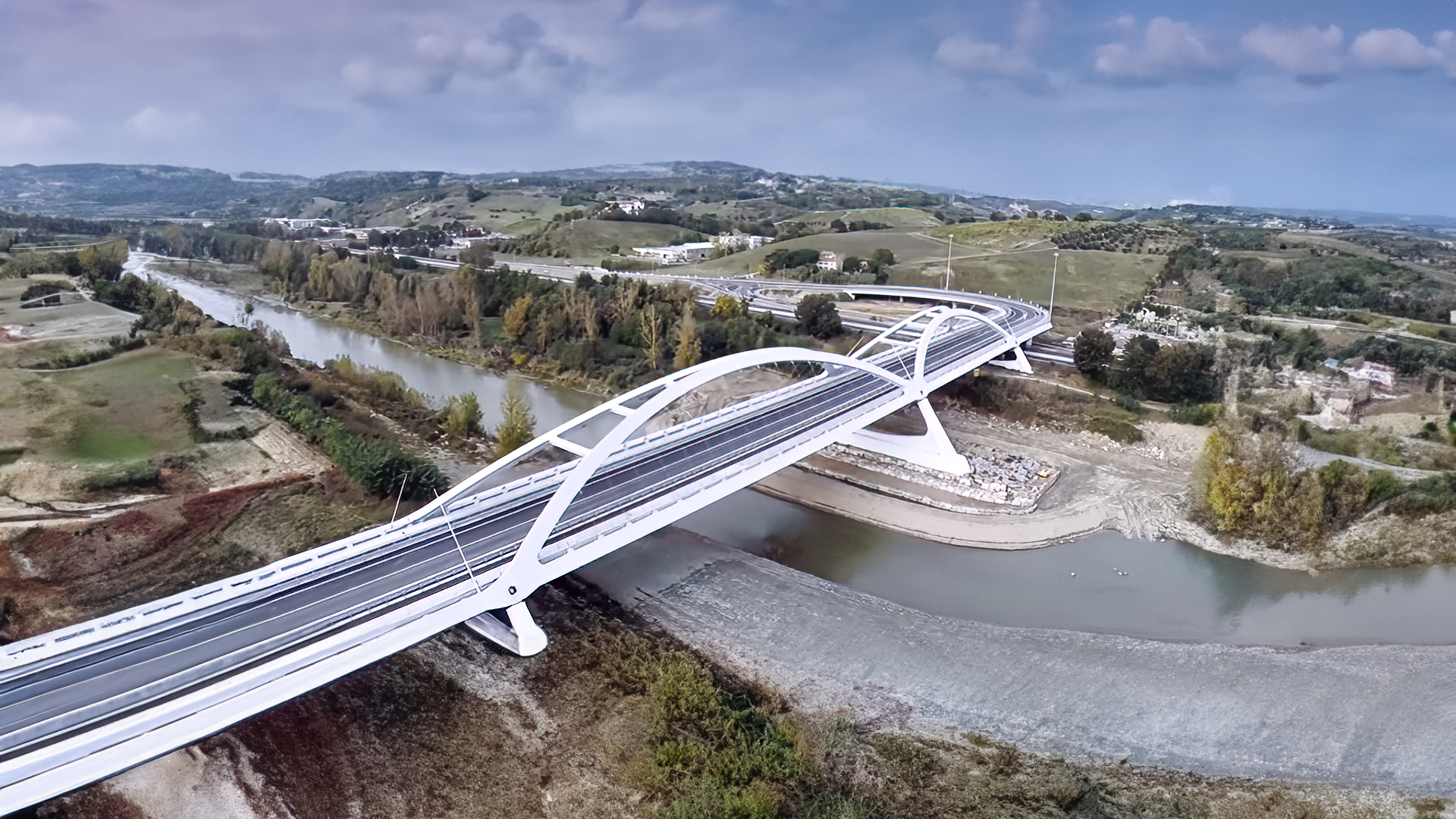


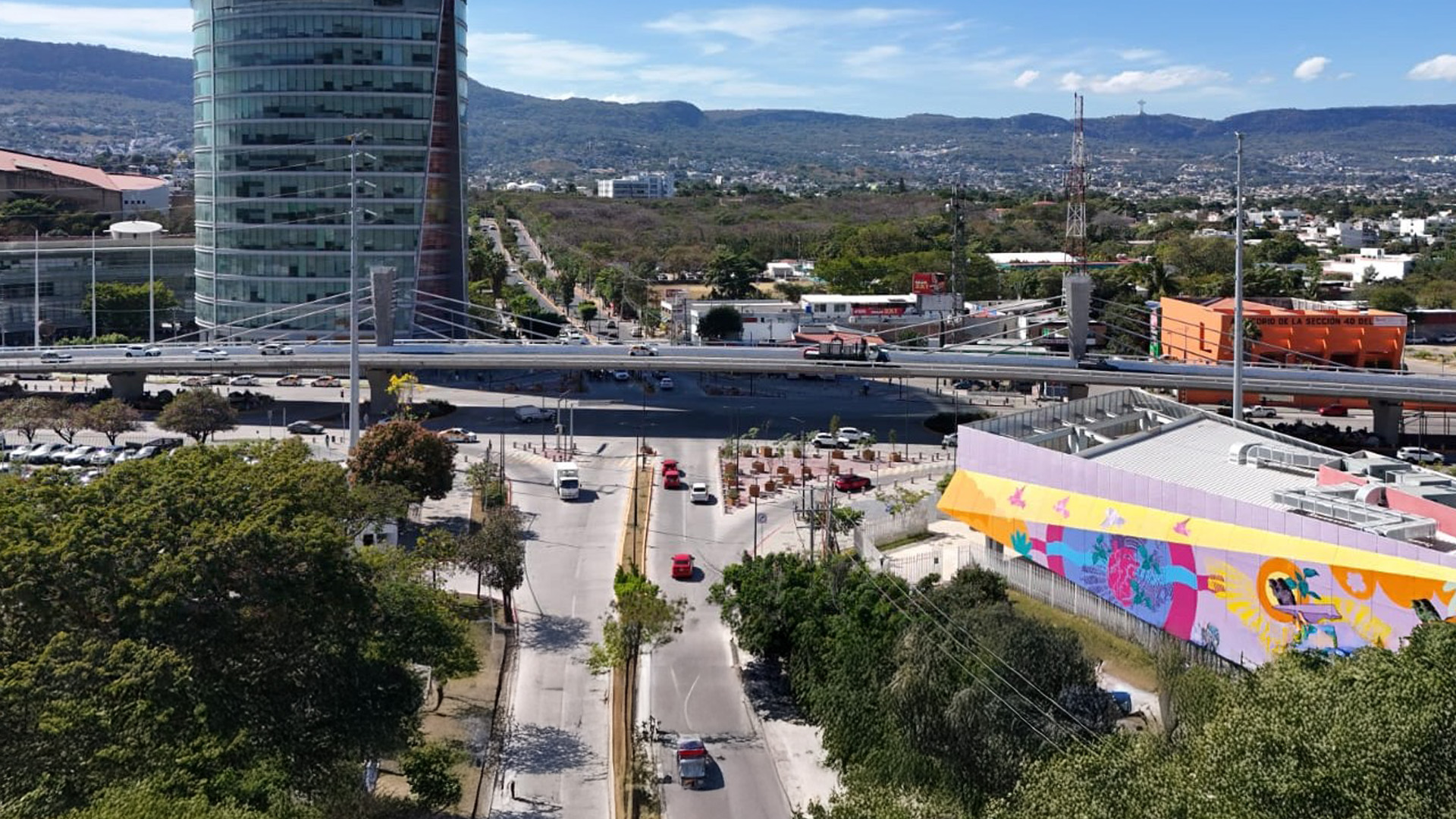
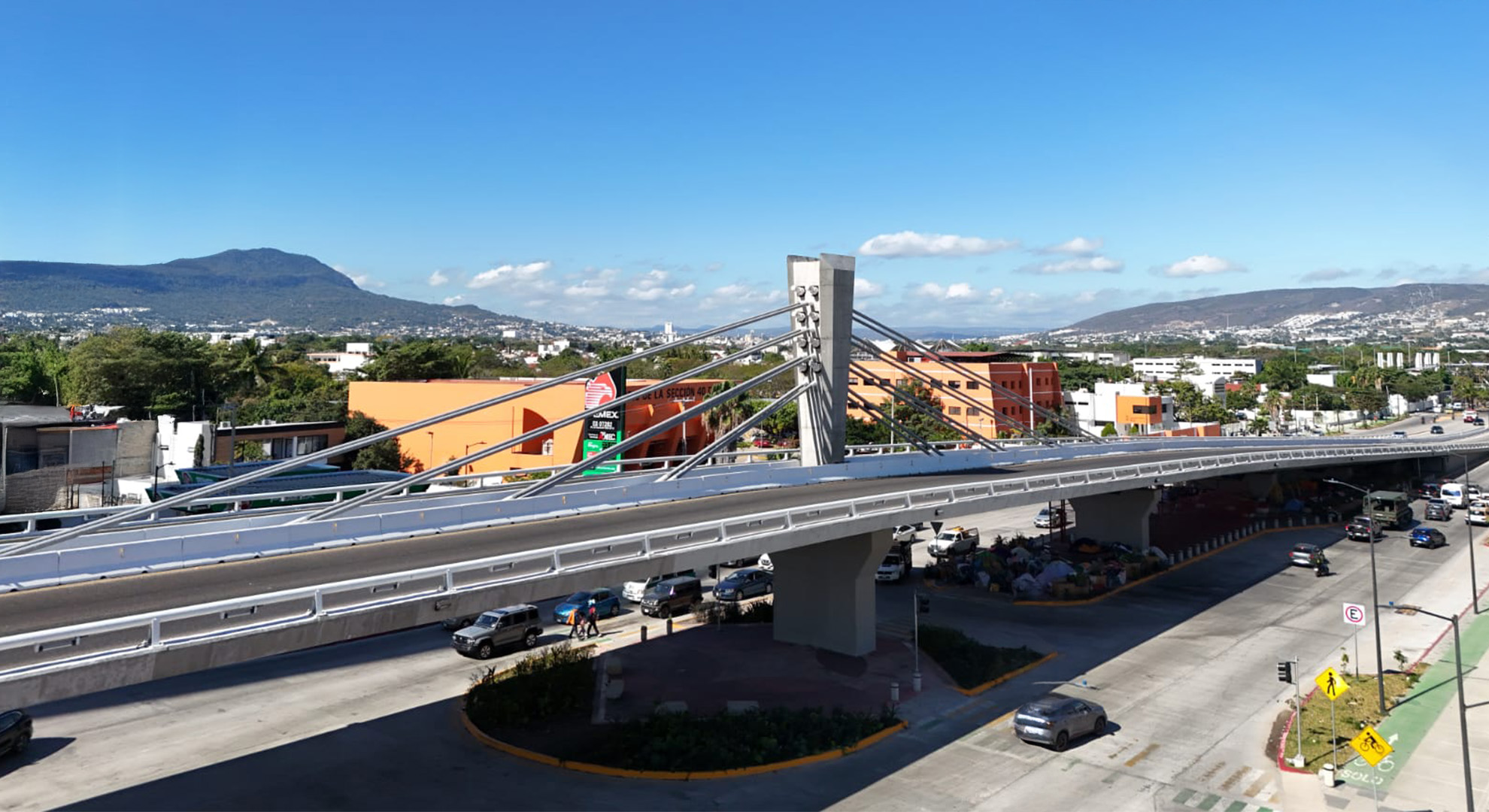
Torre Chiapas Viaduct. México. 2024.
CFC Scope
Project and Technical Assistance
Project Manager
Lucía Fernández Muñoz
Property
Secretaría de Obras Públicas del Gobierno de Chiapas (Ministry of Public Works of the Government of Chiapas)
Construction
Grupo Méndez
End of construction year
2024
Typology
Extradosado Bridge
Material
Concrete
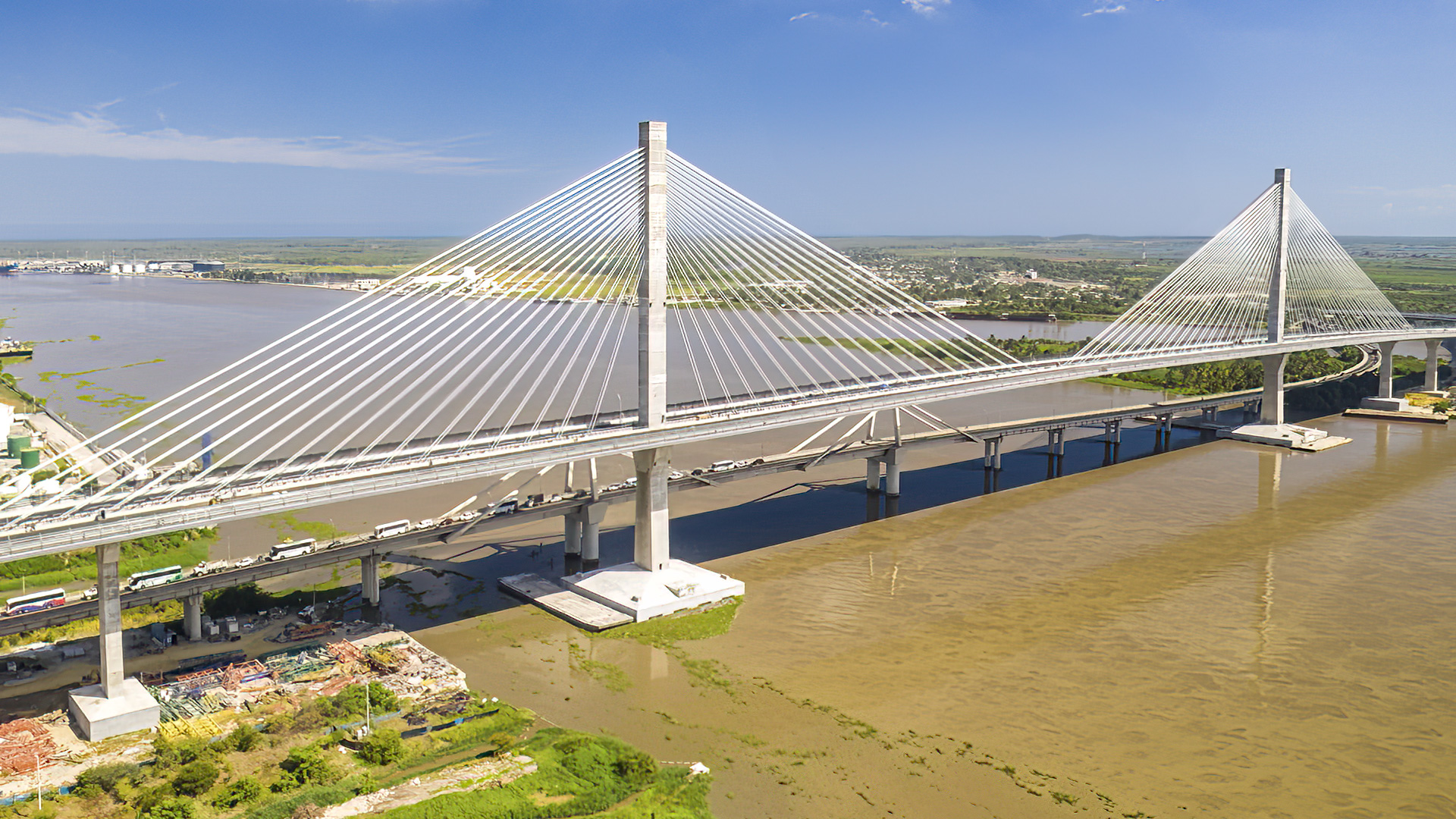
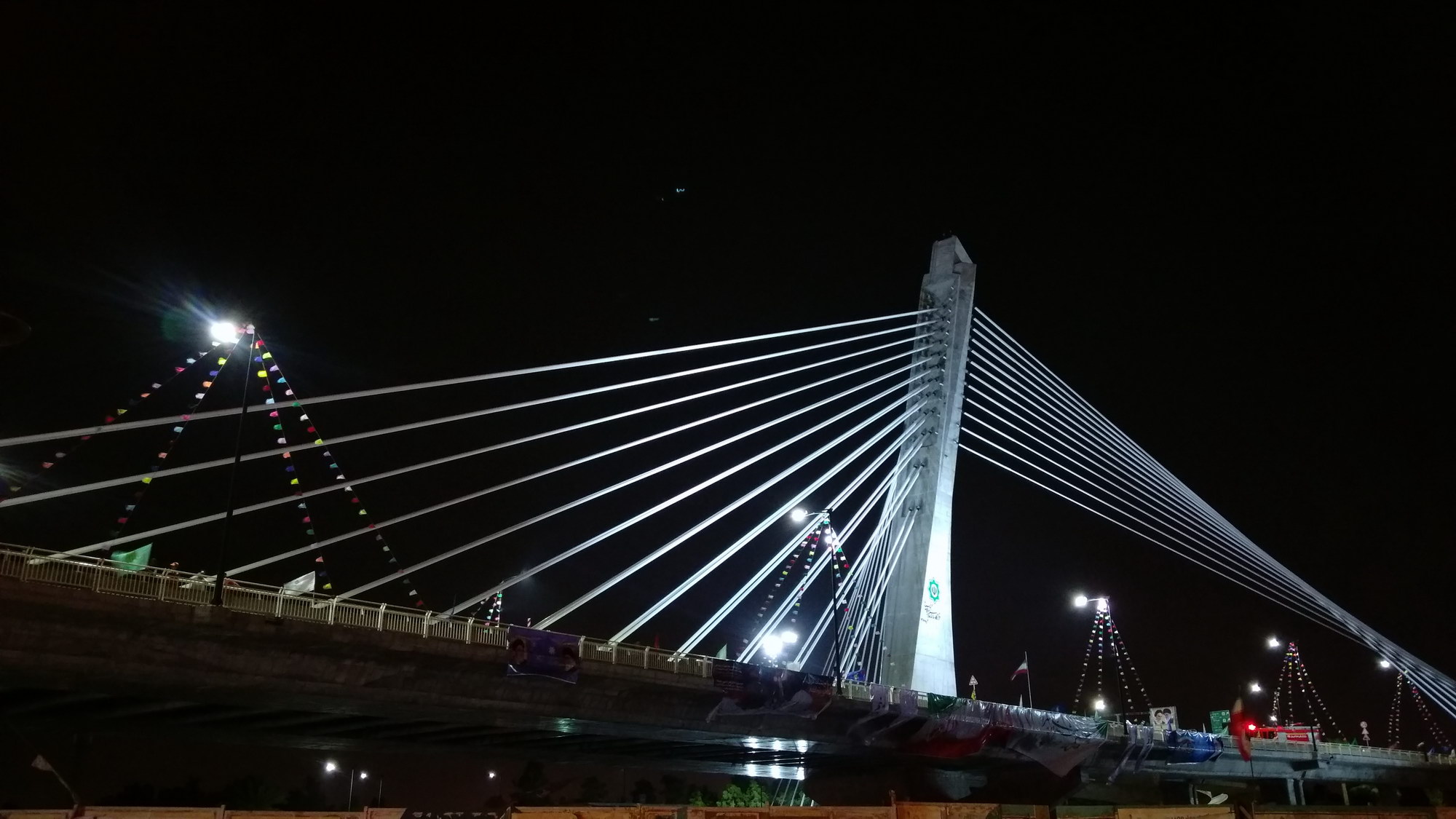
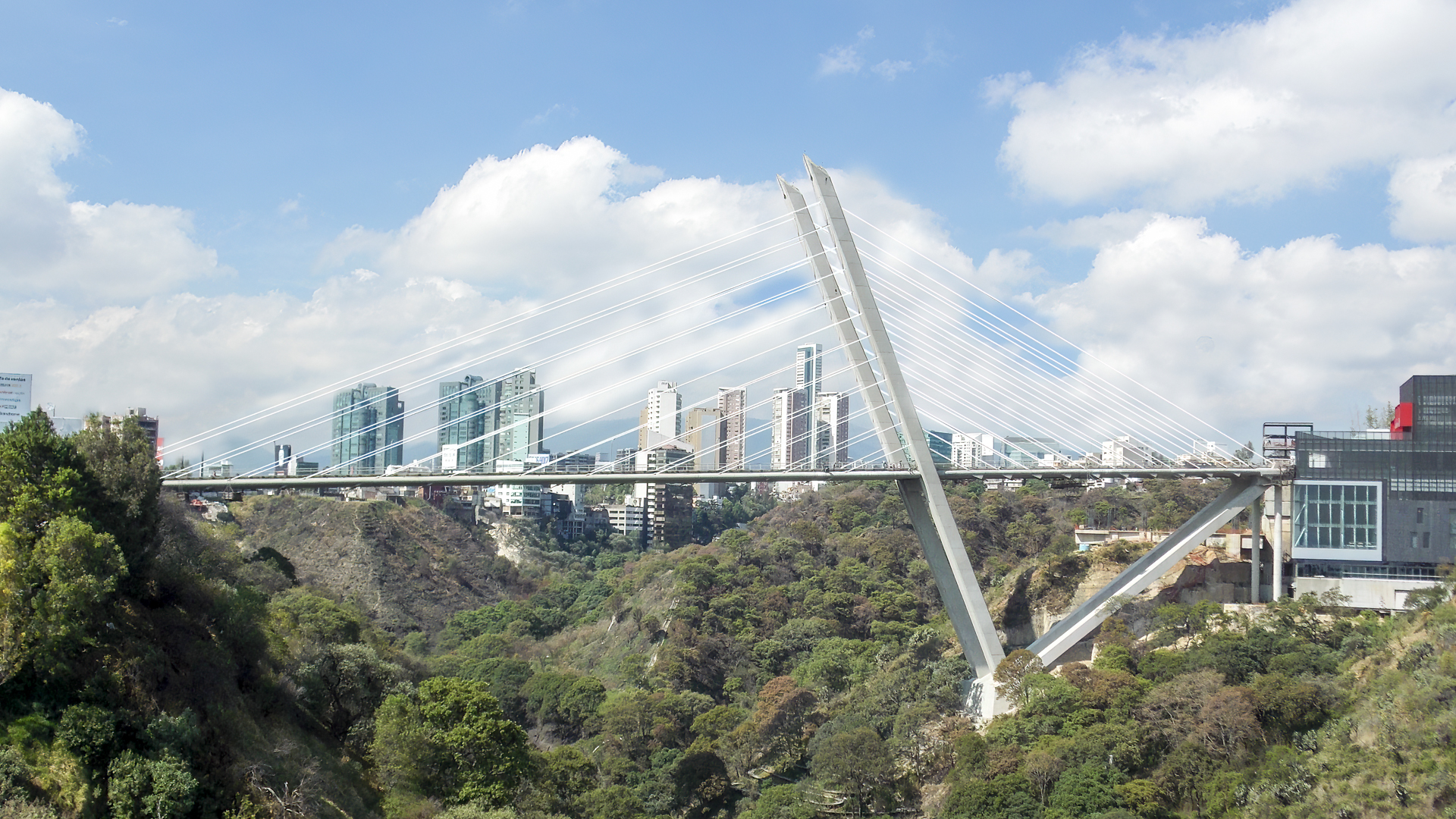
The Torre Chiapas Viaduct, located in Tuxtla Gutiérrez (Mexico), was built to solve the traffic problems generated by the at-grade crossing between Andrés Serra Rojas and Salomón González Blanco avenues. The solution adopted was a 297-meter-long extradosed bridge, with a 90-meter main span and a 24+29+36+90+90+36+2×29+24 m span distribution. In addition to improving urban mobility, the design freed up space at the intersection, creating a pedestrian walkway under the viaduct.
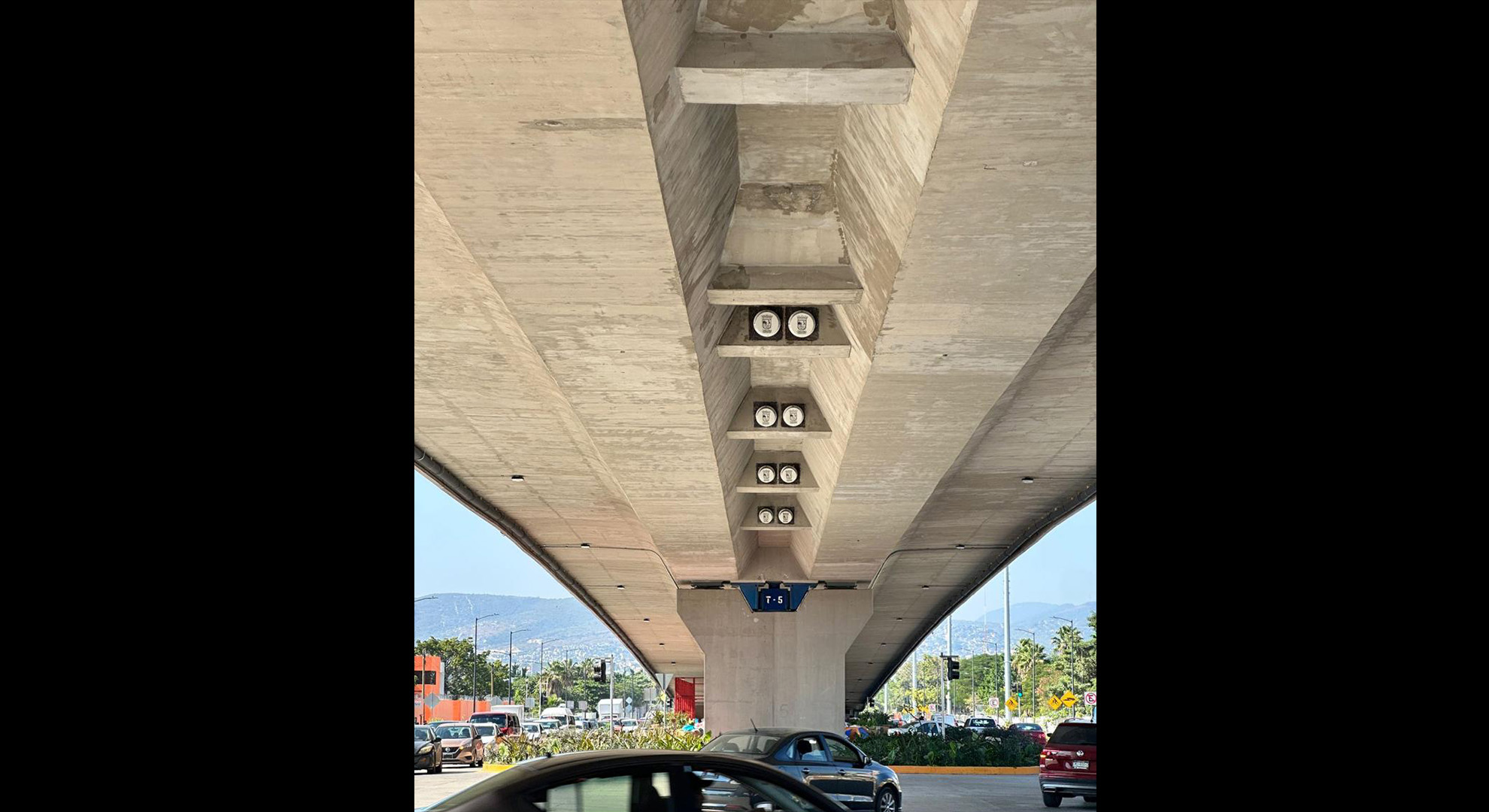
The extradosed typology was chosen over other options for its balance between structural efficiency and slenderness in an urban environment. The 18 m wide deck, with a constant depth of 1.80 m, is supported by 10.75 m towers and eight pairs of suspenders. Due to the high seismicity of the region, four longitudinal dampers and special neoprene bearings were installed to absorb stresses and guarantee the bridge’s re-centering after an earthquake. The foundations were built with 1.20 m diameter piles up to 26 m deep, while the piers adopted a unique “bow-tie” shape to give aesthetic continuity to the whole.
The construction process initially envisaged the use of roller units in the main span so as not to interrupt traffic, but it was finally decided to build the entire viaduct with falsework after obtaining permission to cut off traffic. Once the deck was completed, the towers were erected, the stay cables were installed and the dampers were mounted. The project was promoted by the Ministry of Public Works of the Government of Chiapas, designed by Carlos Fernández Casado S.L. together with Pontix Ingeniería y Construcción, and executed by Grupo Méndez. Overall, the work combines technical innovation, urban functionality and structural safety in an area of high seismic activity.